
Shopping
How to Shop Olive Young Without Overbuying
A calm Olive Young decision guide for turning crowded shelves, discounts, and product walls into a smaller K-beauty shortlist.
- Best for
- Shoppers who enjoy Olive Young but want a clear way to avoid duplicate toners, serums, sunscreens, masks, and creams.
- Shopping context
- Use this in store or before an online Olive Young cart review when too many similar products look useful.
Updated 2026-07-06 · 8 min read
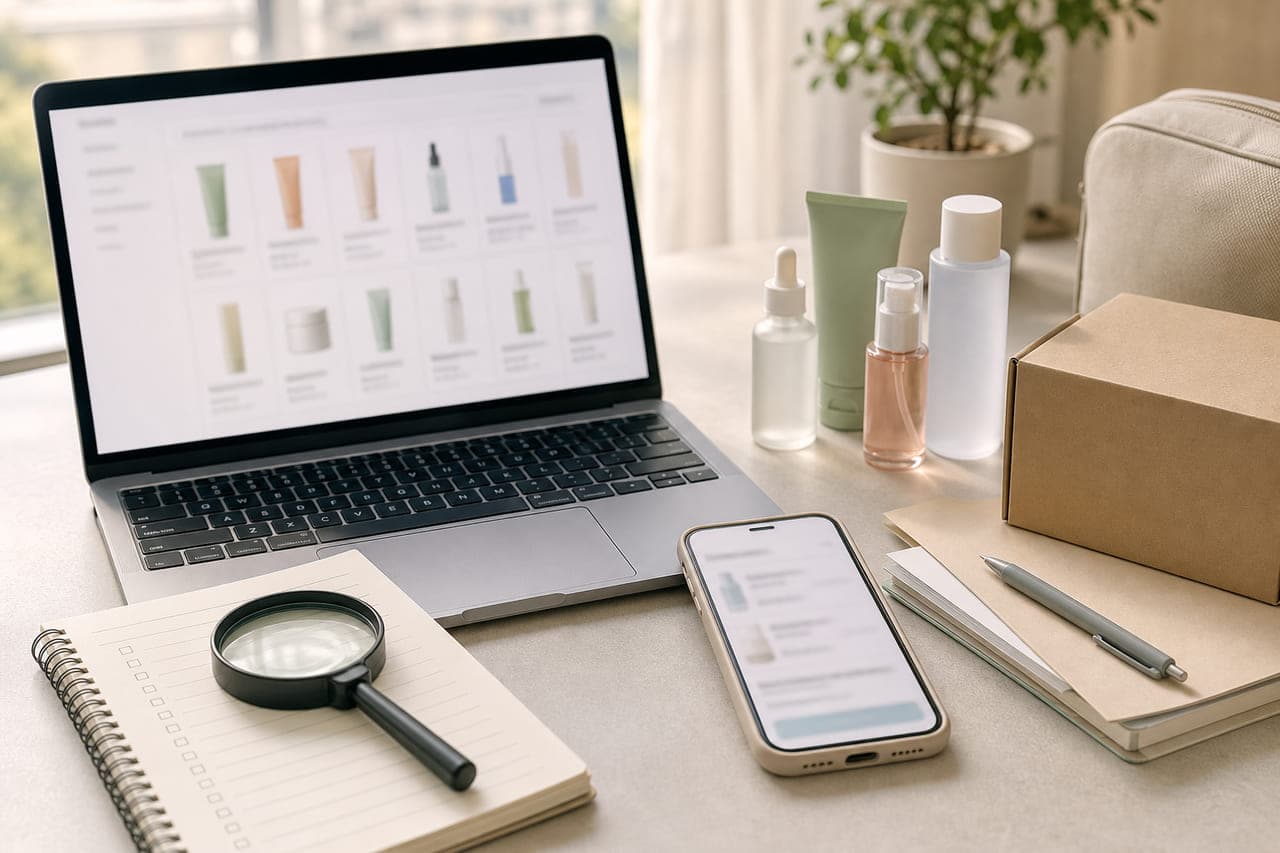
Editorial quality checkpoint
What this guide can and cannot decide
Use this checkpoint before turning the guide into product research. It keeps the page focused on education, source checks, and practical decisions without inventing live commercial details.
Decision job
This shopping guide is written to decide which category, texture, or verification step should happen before a product needs deeper source review.
Source boundary
KBeautyTrip uses editorial checks and source references, but current price, stock, coupons, shipping terms, and seller details stay on the current retailer or brand page.
Profile links
4 source-checked product profiles connect to this guide when a profile is relevant. Product profiles are verification checklists, not live retailer listings.
Review cadence
This guide was last updated on 2026-07-06. Re-check source pages before relying on packaging, directions, or market-version details.
Editorial source packet
- Decision output
- A research-ready next step, not a live product ranking.
- Commercial data boundary
- No live price, stock, coupon, rating, review count, or seller availability is inferred here.
- Current-source verification
- Final label, directions, version, shipping, and return details stay on the current source page.
Use a basket rule before browsing
Give the basket a limit before entering the store: one sunscreen texture, one cleanser decision, one leave-on layer, one final moisturizer, or one mask format. The rule makes shelf browsing useful instead of endless.
Group similar products together
If several products answer the same routine step, compare them as one group. Toner pads, bottle toners, essences, serums, ampoules, and milky lotions can overlap even when the packaging looks different.
Check whether the product replaces or adds
A strong purchase either replaces something that is running out or adds one missing routine role. If it only adds another similar texture, put it in compare later and keep the basket smaller.
Pause on urgency signals
Promotions, crowded displays, and travel timing can create pressure. Treat them as prompts to verify source details, not as proof that the product belongs in the routine today.
Review the basket before checkout
Before payment, sort every item into buy, compare later, gift, or skip. Anything with unresolved product identity, label, seller, or routine-fit questions should leave the checkout basket.
Guide-specific decision support
Use these notes for this exact shopping situation before turning the guide into a product research set.
Decision checklist
- Keep only one product per unresolved routine role during a first store pass.
- Compare product format, texture, and use moment before comparing brand popularity.
- Remove any item that duplicates a product already in the basket without a new role.
- Save product photos for items that need online source verification.
Common mistakes to avoid
- Buying both toner pads and serums without deciding which routine job they fill.
- Treating a discount or display as the main reason to choose a product.
- Keeping backup quantities before verifying that the product works for the routine.
Source verification prompts
- 1. Which item in the basket would this product replace or clarify?
- 2. Does the current label show the use directions and product size clearly?
- 3. Are there two products with the same texture, step, or ingredient theme?
- 4. Would this item still make sense if the display or promotion disappeared?
Source boundaries
- Olive Young product pages and store displays can change, so current source checks remain necessary.
- This guide does not publish live price, stock, discount, or ranking claims.
- The goal is a smaller verified shortlist, not a universal list of products everyone should buy.
- Use this shopping guide as a worksheet for how to shop olive young without overbuying: record the routine role, current source page, unresolved label or seller question, and final next action before checkout.
- If a choice still depends on live price, stock, coupon, ranking, shipping, or return claims, leave the item in compare later until the current retailer page has been checked.
How to use this guide
Use the guide as a verification filter. Start with the category or store mission, then keep only products that have a clear role and enough source detail to review.
This page is in the Shopping lane and links to 4 source-checked product profiles when relevant. Use those profiles as verification checklists, not as live retailer listings.
Define the job
Write the exact routine role, category, or store mission before opening a retailer page. A product should solve one clear research need instead of duplicating something already in the routine.
Check source details
Look for the current product name, package size, ingredient list, use directions, seller identity, shipping terms, and return policy on the brand or retailer page.
Compare texture and format
Separate watery, gel, cream, balm, lotion, foam, and sheet formats before comparing brands. Texture mismatch is one of the fastest reasons a product leaves the active research set.
Save a next action
Use verify now, compare later, skip, or online follow-up as the final decision. If the only reason to continue is urgency or a promotion, move the item to compare later.
Verification workflow before product research
Run these checks before treating a product as a serious research candidate. The goal is a smaller, better documented verification set.
- 1. Match the exact product name, size, and package version against the current source page.
- 2. Check the full ingredient list instead of relying only on featured ingredients or shelf labels.
- 3. Review fragrance, alcohol, essential oil, and exfoliating ingredient notes when those details matter to your routine.
- 4. Confirm seller identity, shipping terms, return handling, and regional formula notes on the current retailer page.
- 5. Avoid using live prices, stock messages, displays, or popularity signals as proof that the product fits your routine.
- 6. Record the final decision in the verification notes so the next research session starts from checked details.
Decision table
Use the same decision labels across store visits and online research so the verification set stays easy to scan.
Planning paths from this guide
Move from reading to a concrete verification action. Keep the path short so the guide supports a decision instead of creating a larger product list.
Next steps
Turn the guide into a smaller research set, a routine decision, or a retailer verification pass before relying on product details.
Products
Browse product profiles
Filter source-checked product profiles by category, skin type, and shopping goal.
OpenScorecard
Score the shortlist
Compare role, texture, label details, seller checks, travel fit, and final decision.
OpenShortlist
Save a smaller shortlist
Keep product candidates and verification notes in this browser while comparing options.
OpenRetailer check
Verify the retailer page
Use seller, label, version, shipping, and return checks before relying on a retailer listing.
OpenManual beta
Request a personal shortlist
Use the manual beta when a free checklist is not enough for a routine, Seoul trip, or checkout decision.
OpenQuick answers
Who should use How to Shop Olive Young Without Overbuying?
Shoppers who enjoy Olive Young but want a clear way to avoid duplicate toners, serums, sunscreens, masks, and creams.
What should be verified before checkout?
Verify the current product name, package size, label details, use directions, seller identity, shipping terms, return handling, and any regional version notes on the current brand or retailer page.
What is the main takeaway from this guide?
A calm Olive Young decision guide for turning crowded shelves, discounts, and product walls into a smaller K-beauty shortlist. Use the sections above to build a smaller research set, then verify current labels and retailer details on source pages.
Is this guide medical advice?
No. KBeautyTrip is an educational shopping guide. Use skin type and ingredient notes as shopping filters, not as diagnosis or treatment guidance.
What should I verify before relying on a product profile?
Verify the exact product name, size, ingredient list, use directions, seller identity, current price, stock, shipping terms, and return policy on the current brand or retailer page.
Related product profiles
Heartleaf 77 Soothing Toner
AnuaA source-checked watery toner profile for simple first leave-on routine comparisons.
Heartleaf Extract + Panthenol

Vitamide Brightening Pad
MedihealA source-checked toner pad profile for comparing pad formats and routine overlap.
Niacinamide + Panthenol

Red Bean Water Gel
Beauty of JoseonA source-checked water gel moisturizer profile for lightweight final-step comparisons.
Red Bean Extract + Peptide Complex
1025 Dokdo Toner
Round LabA source-checked watery toner profile for simple first leave-on comparisons.
Deep Sea Water + Panthenol
Related guides
Shopping
How to Choose a Korean Sunscreen for Oily Skin
Texture-first shopping guidance for oily skin routines, using source-checked sunscreen profiles instead of fake rankings.
Shopping
K-Beauty Shopping Checklist Before You Buy
A practical checklist for reviewing labels, routines, and affiliate links before buying K-beauty products.
Shopping
Best Korean Skincare Products to Buy in Seoul: Source-Checked Traveler Shortlist
A practical source-checked K-beauty shortlist for Seoul travelers, organized by routine role, skin type, and shopping context rather than fake rankings.