
Shopping
Best Korean Skincare Products to Buy in Seoul: Source-Checked Traveler Shortlist
A practical source-checked K-beauty shortlist for Seoul travelers, organized by routine role, skin type, and shopping context rather than fake rankings.
Updated 2026-07-22 · 11 min read
Answer first
What Korean skincare categories are worth researching during a Seoul trip?
Prioritize categories that fill a real routine or travel need, then compare only a few products within each category. Sunscreen, cleanser, moisturizer, toner, masks, and focused leave-on products can be useful lanes, but no category requires a purchase.
Key decisions
- Write the missing routine role before opening product lists.
- Prefer products that can be identified and verified again after the trip.
- Limit backups until texture, version, luggage space, and reorder options are understood.
On this page
- Answer in brief
- How this shortlist works
- Best first categories for Seoul travelers
- Source-checked products by routine role
- What not to do with best lists
- Best next page to use
- Turn best-product searches into category decisions
- Prioritize products that are hard to evaluate later
- Apply luggage and reorder filters
- Keep the shortlist independent of live promotions
- Separate personal purchases from gift research
- Consolidate the shortlist before the final shopping day
- Decision asset
- Source prompts
- Source boundaries
- Current checks
- Sources
- Related search answers
- Quick answers
How this shortlist works
This is not a universal top 10 ranking. Each product profile is included because it has official product and ingredient references attached and helps answer a practical Seoul shopping question: what routine role it fills, which texture it represents, and what to compare before checkout.
Best first categories for Seoul travelers
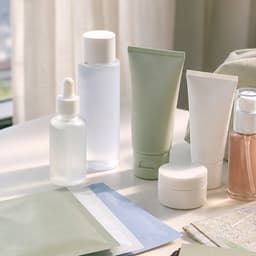
Start with sunscreen, cleanser, moisturizer, toner, serum or essence, and sheet masks. These categories are easy to compare in stores such as Olive Young, easy to connect to a routine role, and useful for product A vs B comparison pages. Check the current label and brand source before treating any shortlist item as the same version you saw in Seoul.
Source-checked products by routine role
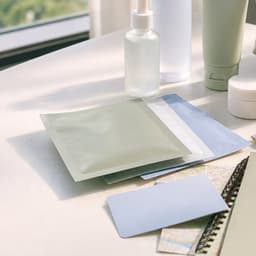
For sunscreen, compare Beauty of Joseon, Haruharu, Round Lab, and Isntree by finish and regional formula checks. For cleansing, use Innisfree as the source-checked foam cleanser example. For leave-on hydration, compare Anua toner, Torriden serum, COSRX essence, and SKIN1004 ampoule by layer and texture. For moisturizers, compare Dr.G gel cream with Laneige rich balm-cream. For masks, keep Mediheal as an occasional sheet mask option rather than a treatment.
Seoul traveler product-shortlist filter
Replace a universal best-products list with five checks that connect an exact candidate to the trip, routine, luggage, and post-trip plan.
| Research stage | Decision action | Evidence boundary |
|---|---|---|
| Trip mission | Decide whether the candidate is for personal routine use, a gift, format discovery, an exact replacement, or a product that can be reordered later. | A product can be popular in Seoul and still fail the specific trip mission or duplicate something already packed. |
| Routine gap | Map the candidate to one missing cleanser, leave-on, moisturizer, sunscreen, makeup, hair, or body-care job before comparing brands. | Category membership, trend status, or a featured ingredient does not establish that the routine needs the product. |
| Exact item evidence | Record the full name, size, shade or variant, package version, label, directions, and official source needed to identify the product after the trip. | Do not merge similarly named products, regional versions, older packages, or retailer snippets into one assumed item. |
| Luggage and handling | Check size, liquid or fragile handling, leakage risk, duplicates, receipts, and the current carrier or customs rules relevant to the journey. | Travel rules and tax handling can change; verify them with the responsible current authority instead of an editorial product list. |
| Post-trip path | Choose buy now, photograph and verify later, order online later, gift, or skip, then preserve the seller and source questions with the decision. | A product that cannot be matched or sourced clearly after the trip may belong on the research list rather than in the luggage. |
This guide does not rank live products or guarantee price, stock, popularity, authenticity, suitability, or availability. Verify each exact product and current store or seller source before buying.
What not to do with best lists
Do not treat this page as medical advice, a price ranking, or a stock checker. Product pages intentionally omit live price, user-review volume, star-score claims, and availability until those fields are verified and dated.
Best next page to use
After making a shortlist, open the relevant Olive Young category guide, compare similar products side by side, and use the Seoul itinerary page to decide where each category fits into your trip.
Turn best-product searches into category decisions
There is no stable universal list of the best Korean skincare products for every traveler. Stock, versions, routines, climates, luggage, and personal preferences differ. Replace the ranking question with a category task: which cleanser format is missing, which sunscreen texture is practical, or which gift format can be verified and packed. Select no more than a few candidates per task, then compare exact labels and current sources. This produces a list that can survive changes in displays and promotions because every item has a documented job.
Prioritize products that are hard to evaluate later
Use the physical shopping opportunity for information that is difficult to recover from memory. Record package scale, applicator, shade name, texture when testers are legitimately available, and exact market-version cues. A product that can be researched easily online may not deserve the most itinerary time. Conversely, a color match, package comparison, or provider conversation may be worth scheduling even when no immediate purchase follows. The goal is to use Seoul access for better evidence, not to assume local presence makes every product a better choice.
Apply luggage and reorder filters
A travel purchase has two extra jobs: it must return home safely and remain identifiable later. Check package closure, size, fragile components, liquid handling, gift quantity, and the rules that apply to the actual carrier and destination. Save full product and label photos plus the receipt. Before buying multiples, verify whether the same exact version can be sourced later and whether a reliable seller route exists. A difficult reorder is not automatically a reason to stock up; it is a reason to make the uncertainty explicit.
Keep the shortlist independent of live promotions
Promotions, bundles, ranking cards, and shelf placement can help discover products, but they should not own the decision. Record those details separately with the date and store because they can change quickly. Evaluate the base product first: identity, role, format, directions, formula source, package, and routine overlap. Then decide whether the live offer changes quantity or timing without changing product suitability. If the product would not remain on the shortlist at its ordinary terms, pause rather than allowing the promotion to create a new routine need.
Separate personal purchases from gift research
A personal shortlist can use the buyer's existing routine, texture preference, and package constraints, while a gift shortlist usually has less information about the recipient. For gifts, favor clearly identifiable cosmetic categories with current directions and avoid implying personal suitability, treatment, or guaranteed results. Record the exact product, variant, package, and return or exchange terms available at the time. Keep gift quantities inside current travel and customs rules. A popular display or decorative set can support discovery, but it does not replace the need to explain what the item is and how the recipient can verify the current label.
Consolidate the shortlist before the final shopping day
Set aside time away from the store to group every candidate by routine job, exact identity, package, source status, luggage fit, and reorder path. Remove products that duplicate something already purchased, and separate unresolved products from checkout-ready ones. Check receipts and package photos while returning to the store is still possible, but verify current return handling with the retailer rather than assuming a policy. This final consolidation protects the travel mission from last-day urgency and makes the resulting list useful after Seoul, when product versions, sellers, stock, and promotions may no longer match the trip.
Source verification prompts
- Does the current official source still support the district role or destination used in the route?
- Have current store hours, closures, events, reservations, and transport details been checked separately?
- Does the plan leave enough time for label photos, receipts, luggage organization, and an unresolved-item list?
- Are price, stock, promotion, and tax-refund details being treated as live information?
- Has every must-visit claim been replaced with a decision based on the traveler's actual shopping mission?
Source boundaries
- District roles and routes are planning frameworks, not complete or live store directories.
- Store hours, events, reservations, transport, prices, stock, promotions, and tax-refund details can change.
- Official tourism and provider sources should be reopened for the exact travel date before relying on logistics.
- A place or service mention is not a quality ranking, availability promise, or medical recommendation.
Verify current details
- Verify exact product versions, labels, prices, stock, promotions, and tax handling during the current visit.
- Use current airline and customs sources before packing liquids or large quantities.
Continue this research path
Evidence trail
Sources
Continue the research path
Shopping
Browse shopping guides
Continue with product identity, seller, version, and reorder checks.
Scorecard
Score the shortlist
Compare role, texture, label details, seller checks, travel fit, and final decision.
Shortlist
Save a smaller shortlist
Keep product candidates and verification notes in this browser while comparing options.
Retailer check
Verify the retailer page
Use seller, label, version, shipping, and return checks before relying on a retailer listing.
Routine
Check routine fit
Map skin type, category, and routine role before adding another product step.
Quick answers
What Korean skincare categories are worth researching during a Seoul trip?
Prioritize categories that fill a real routine or travel need, then compare only a few products within each category. Sunscreen, cleanser, moisturizer, toner, masks, and focused leave-on products can be useful lanes, but no category requires a purchase.
What is the best Korean skincare product to buy in Seoul?
There is no universal best product. Start with a missing routine role, then compare format, texture, label clarity, and whether the exact product can be verified later.
Should tourists buy Korean skincare backups?
Only after confirming the exact version, personal preference, luggage constraints, and whether an online reorder is possible.
Are Olive Young rankings enough to choose a product?
No. Rankings support discovery but do not establish routine fit, current product identity, individual preference, or seller context.
Related product profiles
Relief Sun Rice + Probiotics SPF50+ PA++++
Beauty of JoseonVerify the current Sunscreen identity, label, and source status before deciding.
Rice Extract + Grain Fermented Extracts
Black Rice Moisture Airyfit Daily Sunscreen
Haruharu WonderVerify the current Sunscreen identity, label, and source status before deciding.
Black Rice Extract + Niacinamide
Birch Moisturizing Sunscreen UVLock SPF45+ Broad Spectrum
Round LabVerify the current Sunscreen identity, label, and source status before deciding.
Birch Juice + Niacinamide
Hyaluronic Acid Watery Sun Gel
IsntreeVerify the current Sunscreen identity, label, and source status before deciding.
Hyaluronic Acid + Niacinamide

Green Tea Amino Acid Cleansing Foam
InnisfreeVerify the current Cleanser identity, label, and source status before deciding.
Green Tea + Amino Acid Complex
Heartleaf 77 Soothing Toner
AnuaVerify the current Toner identity, label, and source status before deciding.
Heartleaf Extract + Panthenol
DIVE-IN Low Molecular Hyaluronic Acid Serum
TorridenVerify the current Serum identity, label, and source status before deciding.
Hyaluronic Acid + Panthenol
Advanced Snail 96 Mucin Power Essence
COSRXVerify the current Essence identity, label, and source status before deciding.
Snail Secretion Filtrate + Sodium Hyaluronate
Madagascar Centella Ampoule
SKIN1004Verify the current Serum identity, label, and source status before deciding.
Centella Asiatica Extract

R.E.D Blemish Clear Soothing Cream
Dr.GVerify the current Moisturizer identity, label, and source status before deciding.
Panthenol + Centella Asiatica
Water Bank Blue Hyaluronic Intensive Moisturizer
LaneigeVerify the current Moisturizer identity, label, and source status before deciding.
Blue Hyaluronic Acid + Squalane
Teatree Essential Mask Calming Moisture
MedihealVerify the current Mask identity, label, and source status before deciding.
Tea Tree Extract + Panthenol