
Routine
K-Beauty Shopping Plan for Dry-Feeling Routines
A cautious shopping plan for dry-feeling routines that compares cleanser comfort, leave-on layers, moisturizer texture, and sunscreen layering.
- Best for
- Shoppers who describe their routine as dry-feeling and want a shopping filter without turning the guide into medical advice.
- Shopping context
- Use this to decide whether the next purchase should be cleanser, toner, serum, cream, sunscreen, or a simpler routine audit.
Updated 2026-07-06 · 8 min read
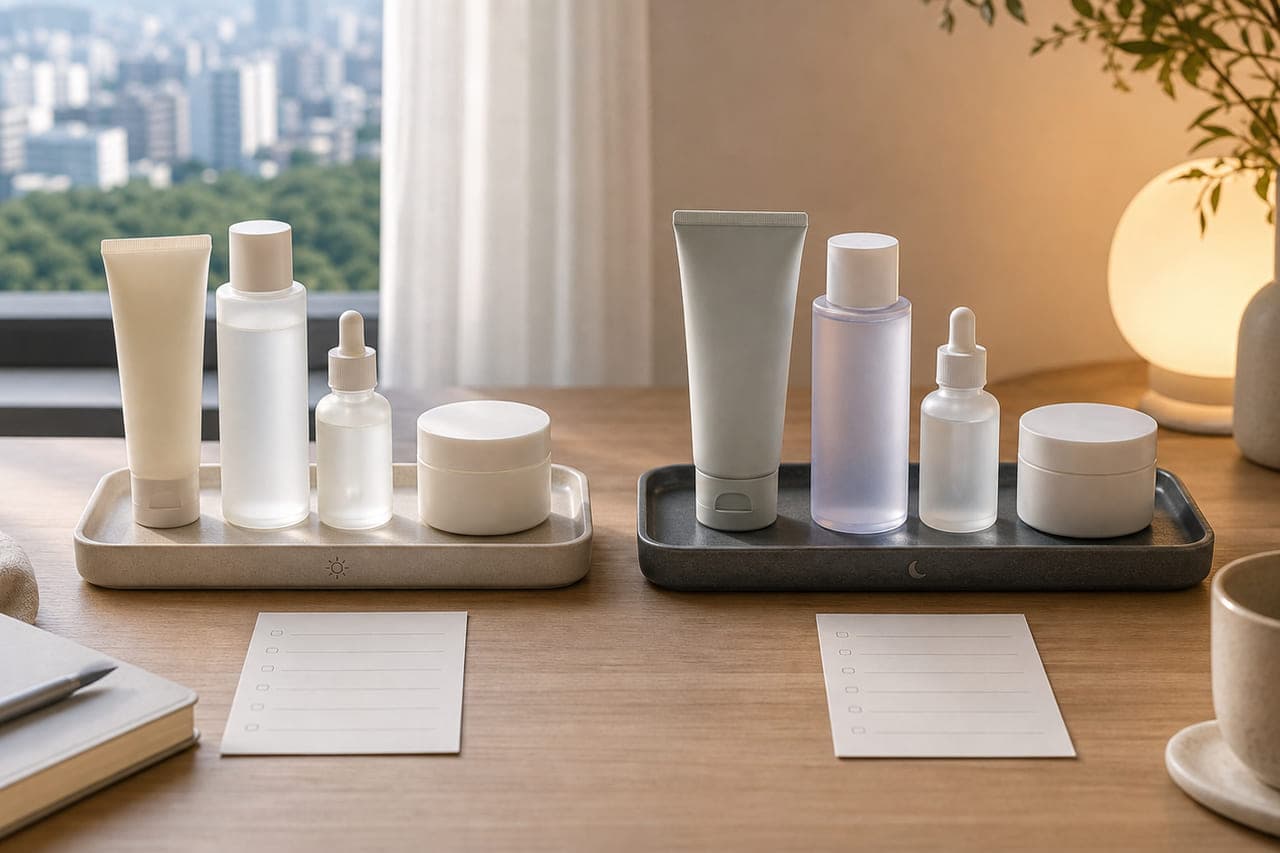
Editorial quality checkpoint
What this guide can and cannot decide
Use this checkpoint before turning the guide into product research. It keeps the page focused on education, source checks, and practical decisions without inventing live commercial details.
Decision job
This routine guide is written to decide which routine step is actually missing and which optional layer can wait.
Source boundary
KBeautyTrip uses editorial checks and source references, but current price, stock, coupons, shipping terms, and seller details stay on the current retailer or brand page.
Profile links
4 source-checked product profiles connect to this guide when a profile is relevant. Product profiles are verification checklists, not live retailer listings.
Review cadence
This guide was last updated on 2026-07-06. Re-check source pages before relying on packaging, directions, or market-version details.
Editorial source packet
- Decision output
- A research-ready next step, not a live product ranking.
- Commercial data boundary
- No live price, stock, coupon, rating, review count, or seller availability is inferred here.
- Current-source verification
- Final label, directions, version, shipping, and return details stay on the current source page.
Start with routine comfort, not more products
A dry-feeling routine can lead to buying many hydration-positioned products. Start by checking whether the cleanser, final moisturizer, and sunscreen layer are already working together.
Review cleanser and final step first
If the routine feels tight after cleansing or incomplete at the final step, those categories may be more useful to compare than another serum. Use current directions and texture clues before deciding.
Choose one middle layer if needed
Toner, essence, serum, and ampoule products can all sit in the middle of a routine. Pick one role first so hydration-positioned products do not multiply without a clear difference.
Check sunscreen comfort
Morning dryness can be affected by the sunscreen and moisturizer combination. Compare whether a softer sunscreen, different moisturizer, or fewer layers makes the morning routine easier to understand.
Keep the language conservative
Dry-feeling is a shopping description here, not a diagnosis. If the skin feels persistently uncomfortable, the safer shopping move is to pause adding products and seek appropriate professional advice.
Guide-specific decision support
Use these notes for this exact shopping situation before turning the guide into a product research set.
Decision checklist
- Check cleanser comfort, final moisturizer role, and sunscreen layering before adding serum.
- Choose one middle leave-on layer instead of several hydration-positioned products.
- Use texture and directions to decide day versus night placement.
- Pause product additions if the routine feels difficult to interpret.
Common mistakes to avoid
- Buying toner, essence, serum, cream, and mask together because all mention hydration.
- Ignoring cleanser and sunscreen when judging dry-feeling routine comfort.
- Using ingredient names as promises instead of label-reading cues.
Source verification prompts
- 1. Which current step seems to create the shopping question?
- 2. Does the candidate product replace a step or add another similar leave-on layer?
- 3. Are texture, package size, directions, and current label details clear?
- 4. Would a smaller routine test be easier than a multi-product cart?
Source boundaries
- Dry-feeling routine language is educational shopping context, not diagnosis or treatment guidance.
- Current brand and retailer pages remain the source for product directions and formula details.
- This guide does not verify current price, stock, seller identity, or order handling.
- Use this routine guide as a worksheet for k-beauty shopping plan for dry-feeling routines: record the routine role, current source page, unresolved label or seller question, and final next action before checkout.
- If a choice still depends on live price, stock, coupon, ranking, shipping, or return claims, leave the item in compare later until the current retailer page has been checked.
How to use this guide
Use the guide as a routine map. Decide which step is missing before adding another product, and keep optional layers separate from daily essentials.
This page is in the Routine lane and links to 4 source-checked product profiles when relevant. Use those profiles as verification checklists, not as live retailer listings.
Define the job
Write the exact routine role, category, or store mission before opening a retailer page. A product should solve one clear research need instead of duplicating something already in the routine.
Check source details
Look for the current product name, package size, ingredient list, use directions, seller identity, shipping terms, and return policy on the brand or retailer page.
Compare texture and format
Separate watery, gel, cream, balm, lotion, foam, and sheet formats before comparing brands. Texture mismatch is one of the fastest reasons a product leaves the active research set.
Save a next action
Use verify now, compare later, skip, or online follow-up as the final decision. If the only reason to continue is urgency or a promotion, move the item to compare later.
Verification workflow before product research
Run these checks before treating a product as a serious research candidate. The goal is a smaller, better documented verification set.
- 1. Match the exact product name, size, and package version against the current source page.
- 2. Check the full ingredient list instead of relying only on featured ingredients or shelf labels.
- 3. Review fragrance, alcohol, essential oil, and exfoliating ingredient notes when those details matter to your routine.
- 4. Confirm seller identity, shipping terms, return handling, and regional formula notes on the current retailer page.
- 5. Avoid using live prices, stock messages, displays, or popularity signals as proof that the product fits your routine.
- 6. Record the final decision in the verification notes so the next research session starts from checked details.
Decision table
Use the same decision labels across store visits and online research so the verification set stays easy to scan.
Planning paths from this guide
Move from reading to a concrete verification action. Keep the path short so the guide supports a decision instead of creating a larger product list.
Next steps
Turn the guide into a smaller research set, a routine decision, or a retailer verification pass before relying on product details.
Routine
Place this guide in a routine
Use the matrix to decide whether this advice fills a real routine gap.
OpenScorecard
Score the shortlist
Compare role, texture, label details, seller checks, travel fit, and final decision.
OpenShortlist
Save a smaller shortlist
Keep product candidates and verification notes in this browser while comparing options.
OpenRetailer check
Verify the retailer page
Use seller, label, version, shipping, and return checks before relying on a retailer listing.
OpenManual beta
Request a personal shortlist
Use the manual beta when a free checklist is not enough for a routine, Seoul trip, or checkout decision.
OpenQuick answers
Who should use K-Beauty Shopping Plan for Dry-Feeling Routines?
Shoppers who describe their routine as dry-feeling and want a shopping filter without turning the guide into medical advice.
What should be verified before checkout?
Verify the current product name, package size, label details, use directions, seller identity, shipping terms, return handling, and any regional version notes on the current brand or retailer page.
What is the main takeaway from this guide?
A cautious shopping plan for dry-feeling routines that compares cleanser comfort, leave-on layers, moisturizer texture, and sunscreen layering. Use the sections above to build a smaller research set, then verify current labels and retailer details on source pages.
Is this guide medical advice?
No. KBeautyTrip is an educational shopping guide. Use skin type and ingredient notes as shopping filters, not as diagnosis or treatment guidance.
What should I verify before relying on a product profile?
Verify the exact product name, size, ingredient list, use directions, seller identity, current price, stock, shipping terms, and return policy on the current brand or retailer page.
Related product profiles
Cream Skin Toner & Moisturizer
LaneigeA source-checked toner-moisturizer hybrid profile for comparing milky leave-on steps.
Ceramide NP + Peptide

Water Bank Blue Hyaluronic Intensive Moisturizer
LaneigeA source-checked rich moisturizer profile for dry-skin final-step comparisons.
Blue Hyaluronic Acid + Squalane
DIVE-IN Low Molecular Hyaluronic Acid Soothing Cream
TorridenA source-checked hydration cream profile for comparing serum and moisturizer roles.
Hyaluronic Acid + Panthenol
Birch Moisturizing Sunscreen UVLock SPF45+ Broad Spectrum
Round LabA source-checked sunscreen profile for comparing soft, moisturizer-like sunscreen textures.
Birch Juice + Niacinamide
Related guides
Routine
Korean Skincare Routine for Beginners: A Simple 5-Step Guide
A plain-English guide to building a simple K-beauty routine without buying too many steps.
Routine
How to Build a Simple Korean Night Routine
A simple night routine framework for cleansing, hydration, and moisturizer steps.
Routine
K-Beauty Beginner Routine Shopping Guide
A beginner-friendly shopping guide for building a simple K-beauty routine without overbuying steps.